KyotoStore
KyotoFoodie
OpenKyoto
Kyoto "Support" Forum
Kyoto Postcards
KyotoStore
KyotoFoodie
OpenKyoto
Kyoto "Support" Forum
Kyoto Postcards
  • Home
  • recipe
  • Street Food
  • Drink
  • Restaurant
  • Travel
  • Contact
Menu
  • Home
  • recipe
  • Street Food
  • Drink
  • Restaurant
  • Travel
  • Contact
  • Home
  • recipe
  • Street Food
  • Drink
  • Restaurant
  • Travel
  • Contact
Menu
  • Home
  • recipe
  • Street Food
  • Drink
  • Restaurant
  • Travel
  • Contact
Home Product

Kyoto Kitayama Sugi ‘Meiboku’ Hand Carved Chopsticks

Michael by Michael
July 30, 2009
in Product
Kyoto Kitayama Sugi ‘Meiboku’ Hand Carved Chopsticks

Yesterday I was back up in Kitayama, the North Mountains of Kyoto, working on my new ‘lumberjack’ project. My associate took me to meet an 8th generation ‘lumberjack’ that produces logs that sell for about $20,000! Kitayama is famous for these cedar wood logs that are used for the tokonoma decorative alcove in traditional Japanese houses and for tea houses and tea rooms. I was given a new and more moderately priced product by the owner: chopsticks. First a little about the ‘wood culture’ of Kyoto.
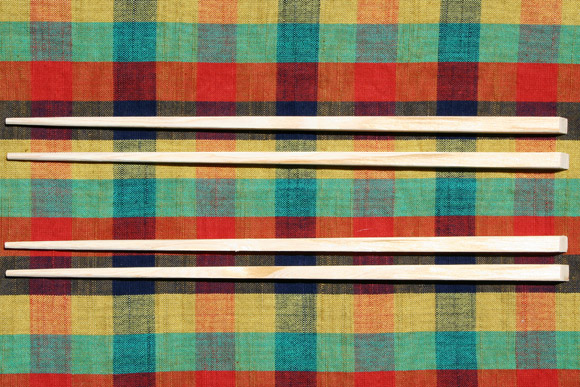
Kyoto Kitayama Japanese Cedar Sugi Hand Carved Chopsticks 北山杉銘木箸
Kitayama Sugi Cedar Chopsticks

These cedar logs have been produced for traditional Japanese architecture for about 500 years in Kitayama and are the most sought after in Japan due to the cedar varieties, the climate and most of all, the many techniques for growing, harvesting and drying them.
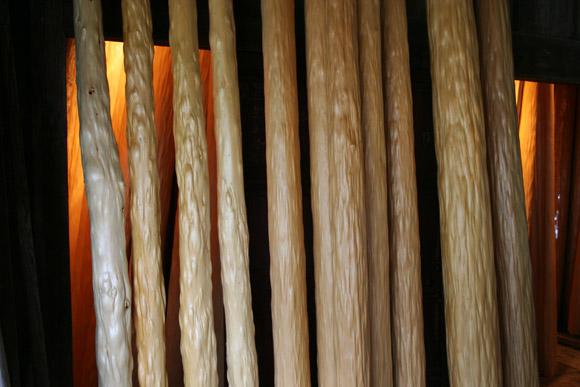
Kyoto Kitayama Japanese Cedar Sugi Hand Carved Chopsticks 北山杉銘木箸
Natural Shibori Kitayama 'Maruta' Logs

The Japanese cedar in Kitayama is meticulously pruned and cared for for decades to produce a log that has no visible knots. Normally the logs have a smooth surface but some naturally have a mysteriously welted and tortured surface. This surface is called shibori. Shibori, or shiboru, the verb, means to wring or squeeze. The very best natural shibori specimens can be a 1 in 10,000 tree.
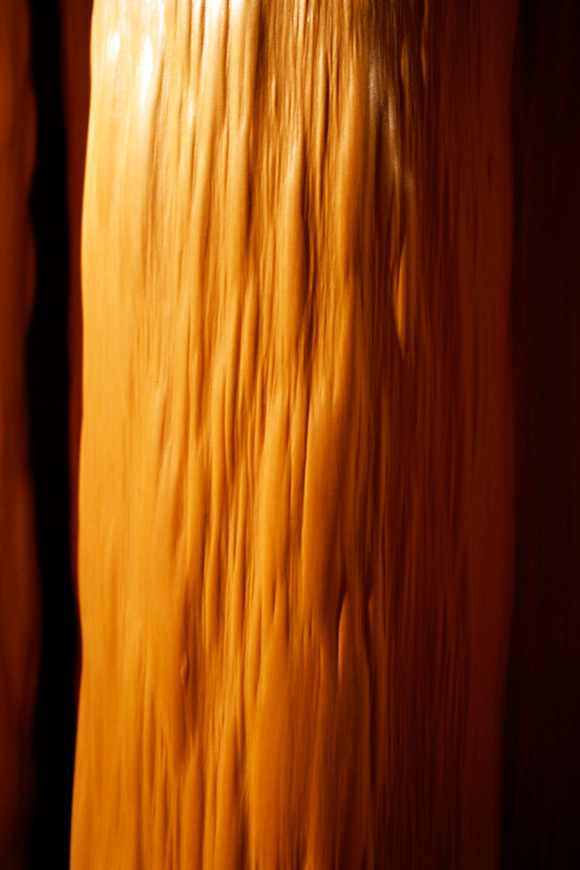
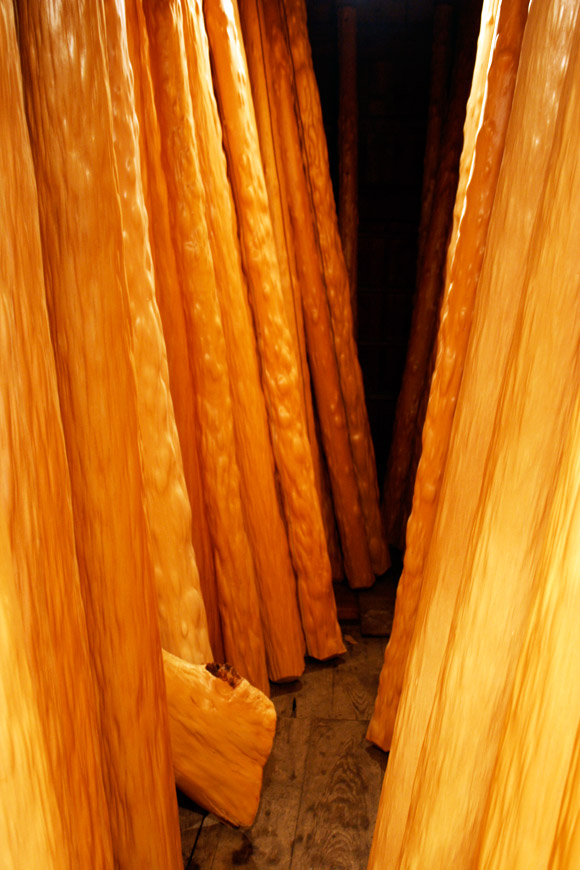
Kyoto Kitayama Japanese Cedar Sugi Hand Carved Chopsticks 北山杉銘木箸
Natural Shibori Kitayama Log
Kyoto Kitayama Japanese Cedar Sugi Hand Carved Chopsticks 北山杉銘木箸
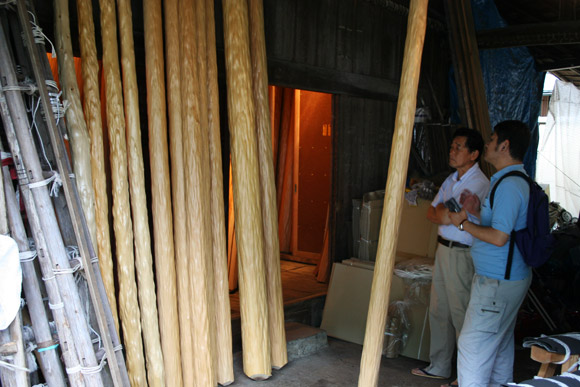
Natural Shibori Kitayama Log Warehouse
Kyoto Kitayama Japanese Cedar Sugi Hand Carved Chopsticks 北山杉銘木箸
Inspecting Natural Shibori Kitayama 'Maruta' Logs
Kyoto Kitayama Japanese Cedar Sugi Hand Carved Chopsticks 北山杉銘木箸
Natural Shibori Kitayama 'Maruta' Logs

Kitayama Sugi Chopsticks
These cedar chopsticks are a new prototype product and are not for sale yet. They are hand carved in Japan. The deeper brown area is the ‘shibori’ surface of the maruta log. The lighter part is the inner wood.
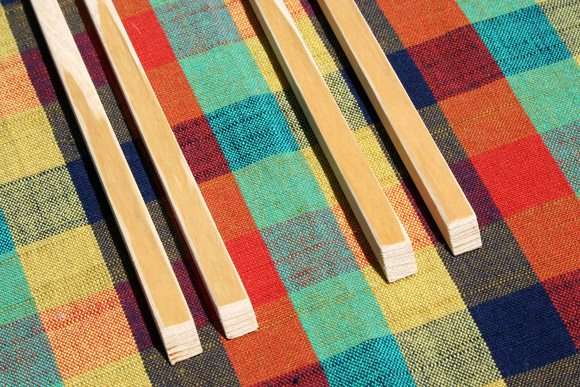
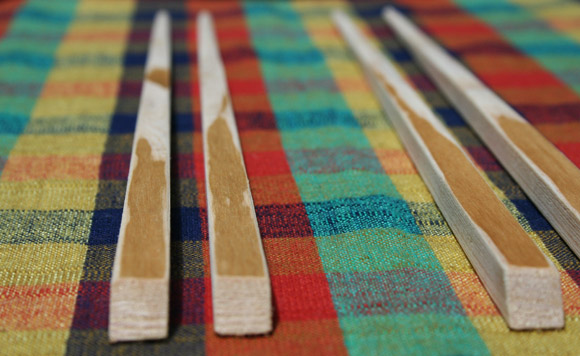
Kyoto Kitayama Japanese Cedar Sugi Hand Carved Chopsticks 北山杉銘木箸
Kitayama Sugi Cedar Chopsticks detail
Kyoto Kitayama Japanese Cedar Sugi Hand Carved Chopsticks 北山杉銘木箸
Kitayama Sugi Cedar Chopsticks detail
Kyoto Kitayama Japanese Cedar Sugi Hand Carved Chopsticks 北山杉銘木箸
Kitayama Sugi Cedar Chopsticks

Traditional Kitayama Cedar Forestry
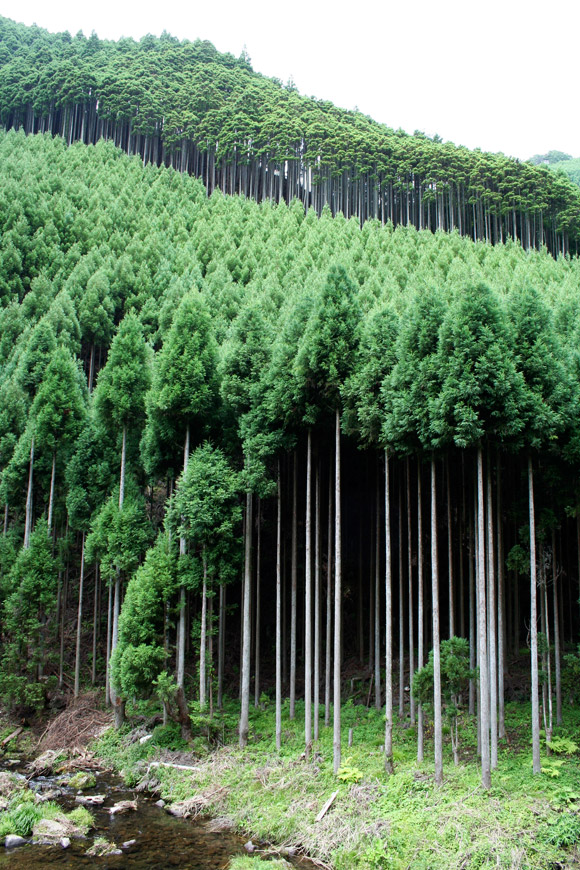
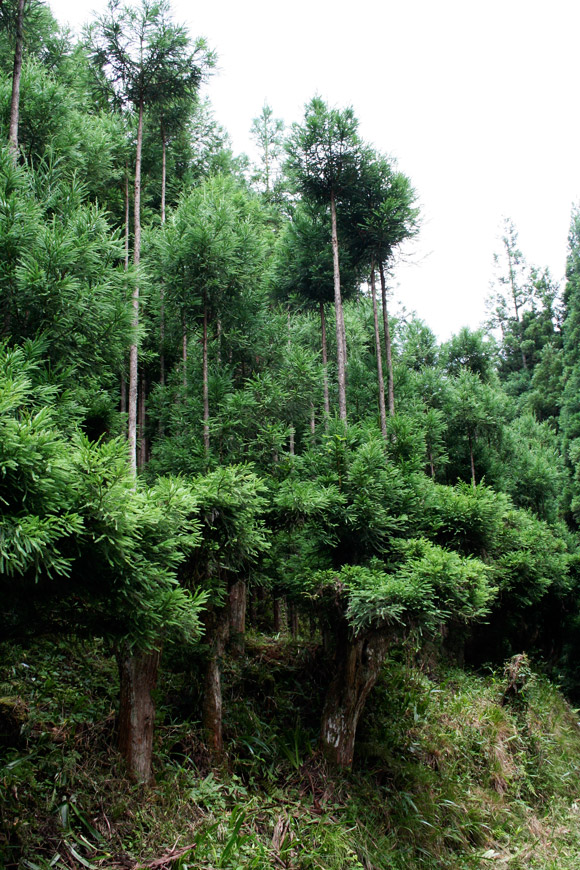
There are two ways that sugi (Japanese cedar) are grown in the North Mountains. The trees in the first photo below are for making Kitayama ‘Maruta’ logs. Three can be harvested from an individual tree. The second photo below shows a daisugi. Dai means table, stand, stage, base and so on. The ‘base’ trunk of the cedar can live to be 400 years old. From one trunk up to 10 small poles can be grown. These poles are smooth and are used in roof and ceiling construction.
Kyoto Kitayama Japanese Cedar Sugi Hand Carved Chopsticks 北山杉銘木箸
Kitayama Sugi Cedar Forest
Kyoto Kitayama Japanese Cedar Sugi Hand Carved Chopsticks 北山杉銘木箸
300 Year Old Kitayama 'Daisugi' Cedar

Kitayama Maruta Traditional Use: The Tokonoma Alcove
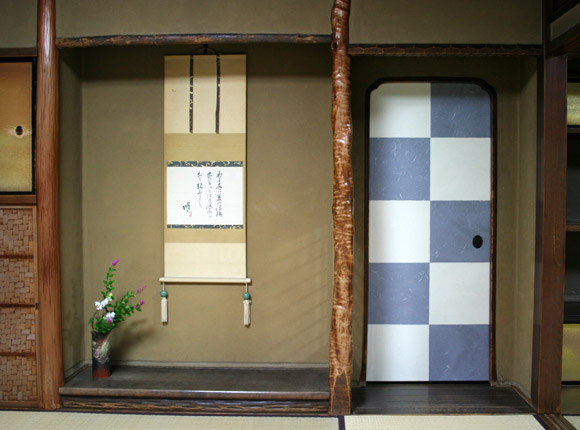
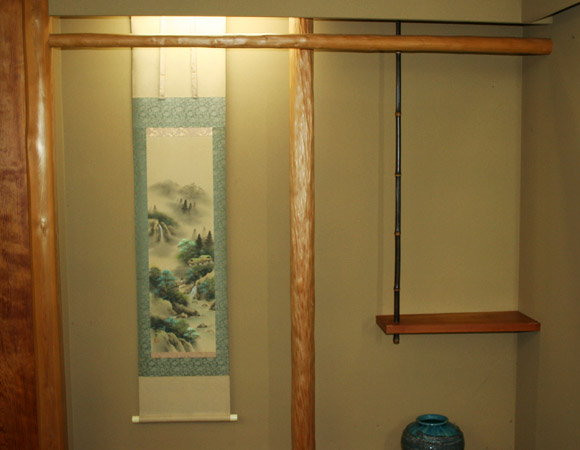
The tokonoma alcove is a space in a traditional Japanese interior that is used for displaying seasonal scrolls, flower arrangements and other art objects. The Kitayama ‘Maruta’ (log) is the most esteemed column.
Kyoto Kitayama Japanese Cedar Sugi Hand Carved Chopsticks 北山杉銘木箸
'Old' Tokonoma Alcove (left column is Kitayama cedar)
Kyoto Kitayama Japanese Cedar Sugi Hand Carved Chopsticks 北山杉銘木箸
'New' Tokonoma Alcove

More Kyoto lumberjack info: Check out our Kitayama Wild Boar ‘Lumberjack’ Ramen article on KyotoFoodie.

Find out what’s going on in Kyoto right now, follow me on Twitter.

Tags: Japanese cedarJapanese forestyJapanese woodKitayama Keihoku areaKyoto machiya townhousekyoto traditional industry
Previous Post

Alternative to Tokyo Tsukiji Fish Market: Kyoto Wholesale Food Market

Next Post

Beautifully Frightening: Kyoto Aloha Shirt Marker Pagong’s Haunted House PR Coup

Next Post
Beautifully Frightening: Kyoto Aloha Shirt Marker Pagong’s Haunted House PR Coup

Beautifully Frightening: Kyoto Aloha Shirt Marker Pagong's Haunted House PR Coup

Comments 1

  1. Pingback: Kyoto Kitayama Lumberjack Sushi | OpenKyoto

Leave a Reply Cancel reply

Your email address will not be published. Required fields are marked *

This site uses Akismet to reduce spam. Learn how your comment data is processed.

  • KyotoStore
  • Kyoto Foodie
  • Kyoto Forum
  • Kyoto Postcards

Articles

  • Kyoto Postcards
  • Stores
  • Sightseeing
    • Market
    • Shrine
  • Dining
  • Product
  • Museum
  • Shokunin
  • Artist
  • Contact

Quick links

  • Disclaimer
  • Privacy
  • Advertisement
  • Contact Us

Navigate

Browse by Category

  • Accommodation
  • Artist
  • Conference
  • Dining
  • Experience
  • Festival
  • Hiking
  • Hotel
  • Kyoto Postcards
  • Market
  • Museum
  • Pagong
  • Product
  • Shokunin
  • Shrine
  • Sightseeing
  • Stores
  • Temple
  • World Service

About

Lorem ipsum dolor sit amet, consectetur adipiscing elit. Ut elit tellus, luctus nec ullamcorper mattis, pulvinar dapibus leo. 

Lorem ipsum dolor sit amet, consectetur adipiscing elit. Ut elit tellus, luctus nec ullamcorper mattis, pulvinar dapibus leo.

Recent Post

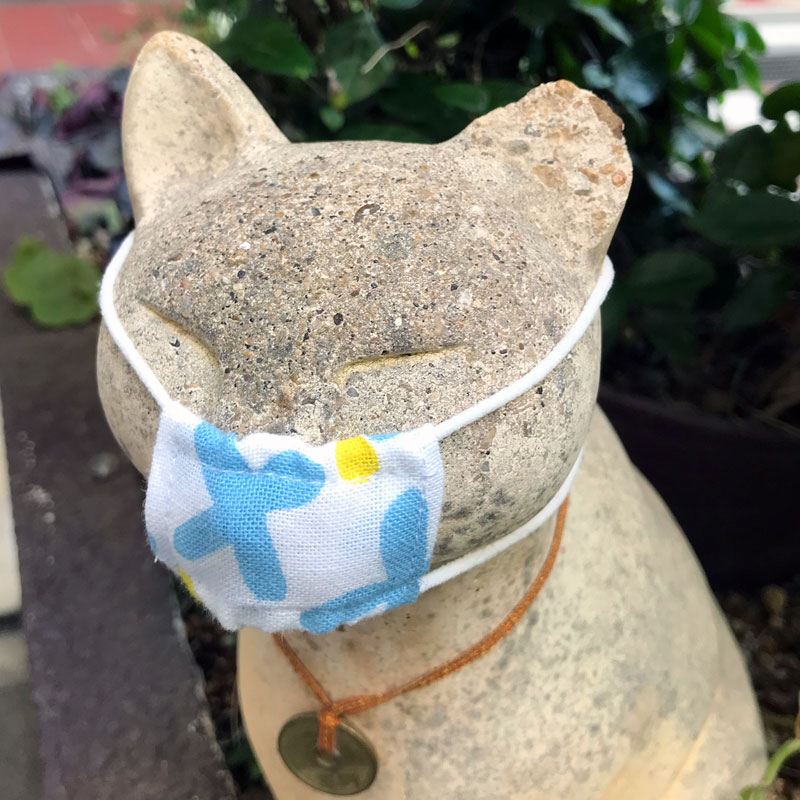
Kyoto Department Store Takashimaya Cat Statue

Kyoto Department Store Takashimaya Cat Statue

October 6, 2020 No Comments
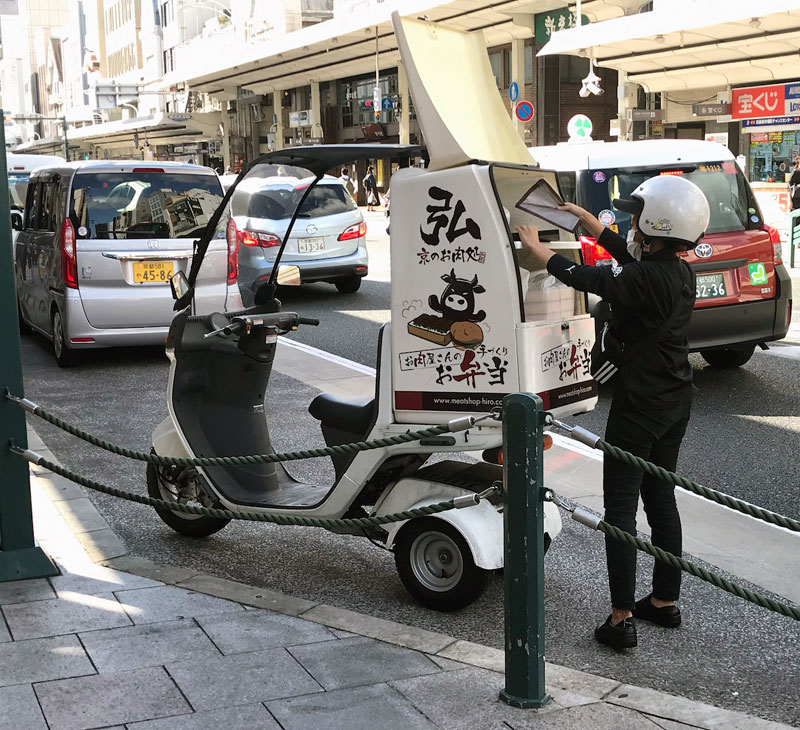
Kyoto Yakiniku Hiro Delivery Scooter

Kyoto Yakiniku Hiro Scooter Delivery

October 6, 2020 No Comments
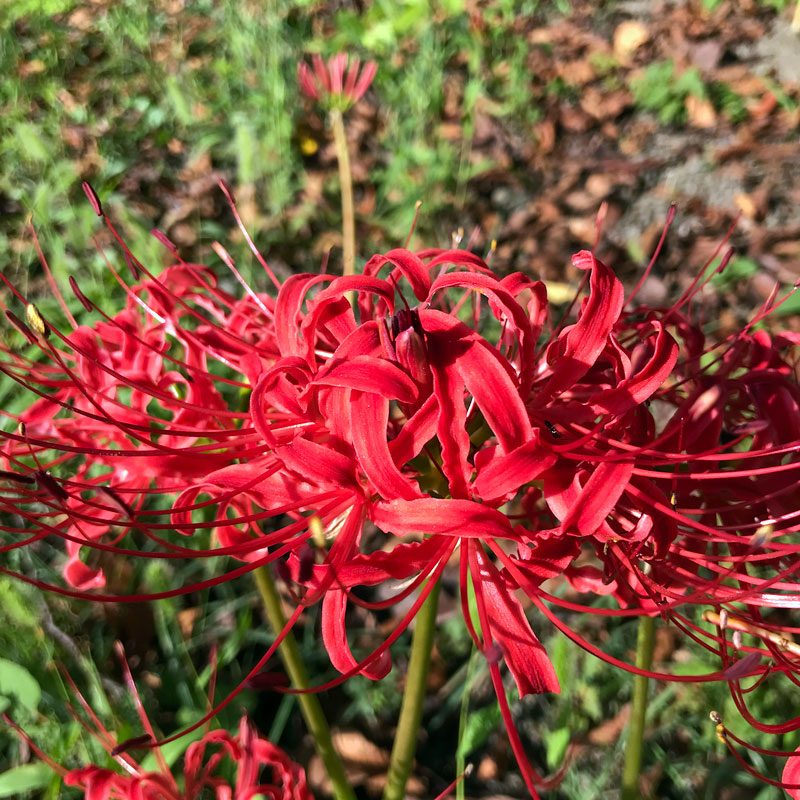
Kyoto Kamo River Early Autumn Flowers

Kyoto Kamo River Early Autumn Flowers

October 5, 2020 No Comments
Marimekko Tote Bag -- Marimekko Shop Kyoto Fujii-Daimaru

Marimekko Tote Bag — Marimekko Shop Kyoto Fujii-Daimaru

April 6, 2015 No Comments
I Started Pottery Lessons Today

I Started Pottery Lessons Today

April 6, 2015 No Comments
Horrible Experience at Kyoto Kanshundo (甘春堂 七條 本店) -- Sakura Mochi Ice Cream

Horrible Experience at Kyoto Kanshundo — Sakura Mochi Ice Cream

March 30, 2015 No Comments
© 2026
  • Home
  • About
  • Contact
Menu
  • Home
  • About
  • Contact
Cleantalk Pixel